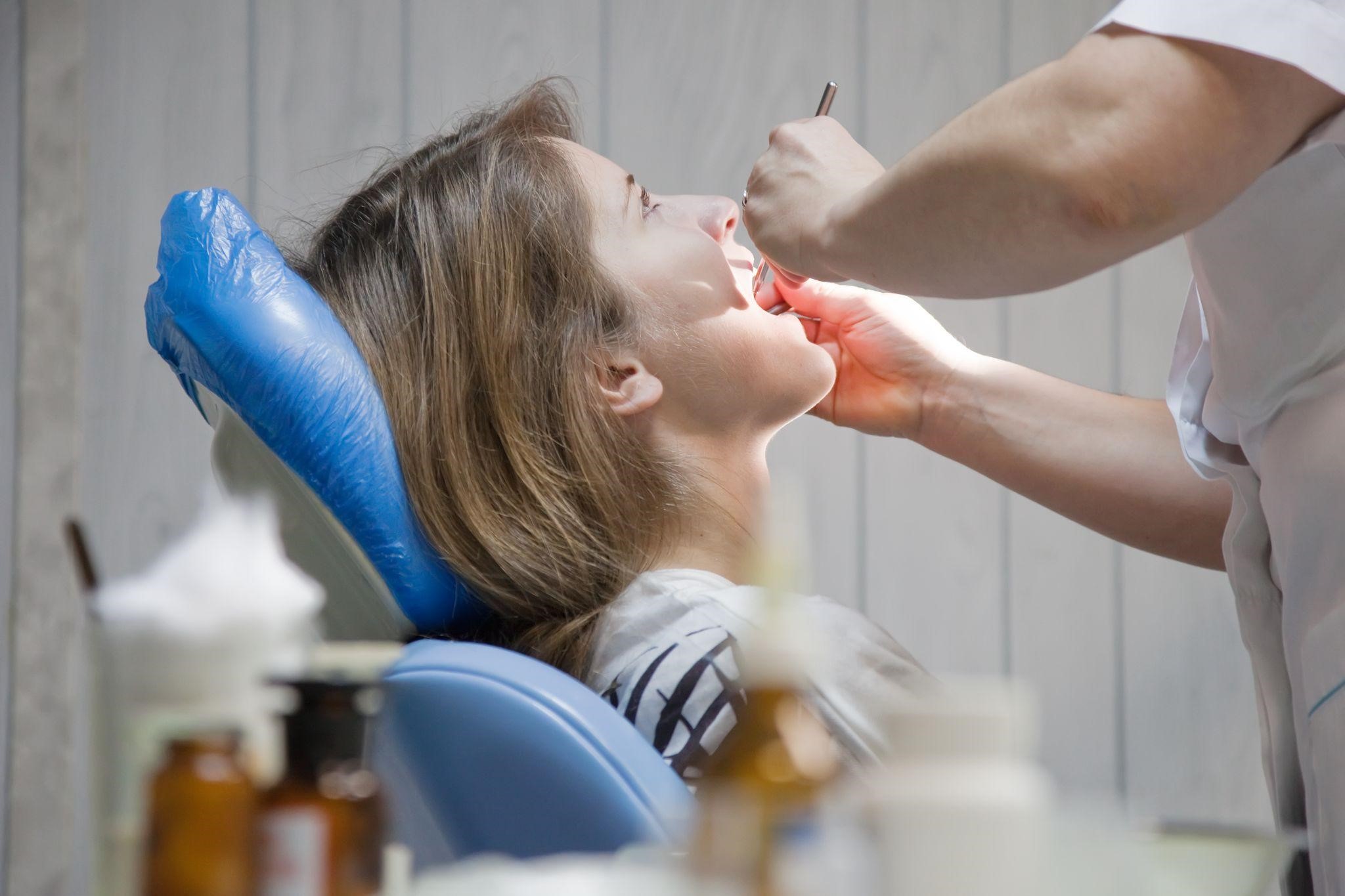
A cracked tooth is one of the most common yet frequently overlooked dental problems affecting Australians of all ages. Many people dismiss early cracked-tooth symptoms, assuming the discomfort will pass on its own. Unfortunately, ignoring a crack can lead to serious complications, including infection, nerve damage, and even tooth loss. Recognising the warning signs early and seeking prompt care is the key to protecting your smile and avoiding more complex treatment down the track.
At Australian Family Dental in Broadmeadows, our experienced team uses advanced diagnostic tools to detect and treat cracked teeth, no matter how subtle the crack may be. If you’re experiencing tooth crack pain or any form of dental discomfort, read on to learn what to look for and when to seek help.
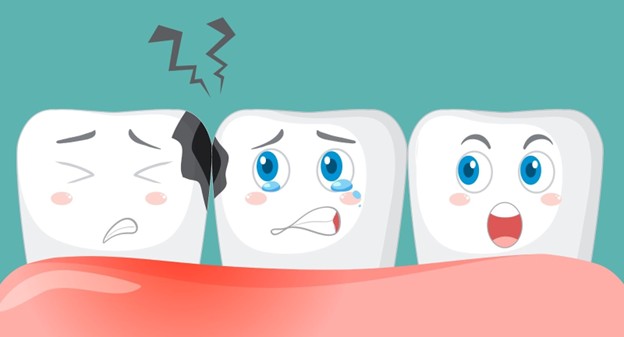
What Is a Cracked Tooth?
A cracked tooth occurs when a fracture forms in the hard outer enamel or extends deeper into the tooth’s structure. Cracks range from minor surface lines to severe splits that reach the root. Unlike a broken bone, a cracked tooth cannot heal on its own, which is why a professional dental assessment is essential.
Common causes include:
- Biting down on hard foods such as ice, hard lollies, or crusty bread
- Teeth grinding (bruxism), which puts excessive pressure on teeth overnight
- Trauma or injury from a fall, accident, or sports impact
- Age-related wear and tear, which weakens enamel over time
Large fillings that compromise the structural integrity of a tooth
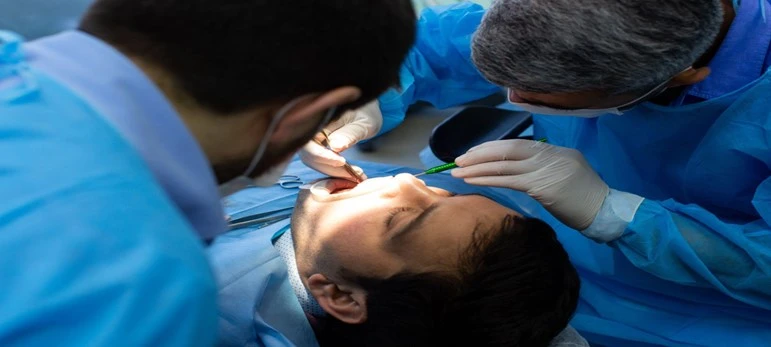
Common Cracked Tooth Symptoms
One of the trickiest things about a cracked tooth is that the symptoms can be unpredictable and easy to dismiss. Here are the most common signs to watch out for:
Sharp Pain When Biting
One of the most telling symptoms of a cracked tooth is a sudden, sharp pain when you bite down or release pressure on the tooth. This happens because chewing causes the crack to flex, irritating the sensitive inner pulp. The pain is often brief but can be intense enough to stop you mid-meal.
Sensitivity to Hot, Cold, or Sweet Foods
Tooth sensitivity causes discomfort when the exposed dentine inside a crack reacts to temperature changes or sugar. If you notice a sharp, fleeting zing when sipping a hot coffee or eating ice cream, a crack may be exposing the nerves inside your tooth. This is one of the key causes of tooth sensitivity that warrants a dental check-up.
Intermittent Tooth Pain
Unlike a cavity, which tends to cause constant pain, a cracked tooth often causes pain that comes and goes. You may feel perfectly fine one day and uncomfortable the next. This unpredictability is a hallmark of cracked teeth and can make diagnosis more challenging without professional examination.
Swelling Around the Tooth
Swelling or tenderness in the gum surrounding a tooth can indicate that bacteria have entered the crack and caused an infection. This is a serious sign that requires urgent attention. If left untreated, an abscess can form, spreading infection to surrounding teeth and even your jawbone.
Difficulty Identifying the Source of Pain
Pain from a cracked tooth can radiate to nearby teeth, the jaw, or even the ear. Patients often struggle to pinpoint which tooth is causing the problem. This is why a thorough clinical examination, sometimes using bite tests or special dyes, is necessary for an accurate diagnosis.
Types of Tooth Cracks
Not all cracks are the same. Understanding the type of crack helps determine the appropriate cracked tooth treatment:
- Craze lines: Tiny, superficial cracks in the enamel surface. Very common in adults and usually harmless, though they can be cosmetically bothersome.
- Fractured cusp: A piece of the tooth’s chewing surface breaks off. Often not painful as it rarely affects the pulp.
- Cracked tooth: A crack that extends from the chewing surface down toward the root. Early treatment is critical to save the tooth.
- Split tooth: A crack that has fully separated the tooth into two distinct segments. Often, the result of an untreated cracked tooth is.
- Vertical root fracture: Begins at the root and extends upward. Often undetected until the surrounding bone or gum becomes infected.
When Should You See a Dentist?
You should seek dental care promptly if you experience any symptoms of a cracked tooth. Don’t wait, see a dentist as soon as possible if you notice:
- Tooth pain that persists for more than a day or two or is getting worse
- Increasing sensitivity to hot, cold, or sweet foods
- Visible swelling of the gum or face
- Difficulty chewing or pain when biting down
- A tooth that feels loose or has visibly changed shape
If you’re in Melbourne’s northern suburbs and require emergency dental care, Australian Family Dental offers same-day and next-day appointments for urgent cases. Don’t delay. The sooner a crack is treated, the better the outcome.

Treatment Options for a Cracked Tooth
The right treatment for a cracked tooth depends on the location, size, and severity of the crack. Here’s what your dentist may recommend:
Dental Bonding
For minor surface cracks, dental bonding uses a tooth-coloured resin to fill and seal the crack. It’s a quick, affordable option that restores both function and appearance with minimal tooth preparation required.
Dental Crown
A crown is a custom-fitted cap placed over the cracked tooth to protect and strengthen it. Crowns are ideal when a crack is extensive, but the tooth root remains healthy. They restore full chewing function and prevent the crack from worsening.
Root Canal Treatment
If the crack has reached the pulp (the inner nerve and blood vessel tissue), root canal therapy is needed. The infected or inflamed pulp is removed, the canal is cleaned and sealed, and the tooth is capped with a crown. Modern root canal treatment is far less daunting than its reputation suggests. Most patients find it no more uncomfortable than a standard filling.
Tooth Extraction
In severe cases where the crack extends below the gum line or has irreparably split the tooth, extraction may be the only option. Following extraction, our team can discuss tooth replacement solutions such as dental implants to restore your smile and bite function.
How to Prevent Cracked Teeth
While not all cracks are preventable, these habits significantly reduce your risk:
- Avoid chewing on hard items such as ice, hard lollies, or popcorn kernels
- Wear a custom mouthguard if you grind your teeth at night (bruxism)
- Protect your teeth during contact sports with a fitted sports mouthguard
- Maintain good oral hygiene, strong, healthy teeth resist cracking better
- Book regular dental check-ups to catch early-stage cracks before they worsen
- Don’t use your teeth as tools to open packages or bottles
Why Early Treatment Is Important
Putting off cracked tooth treatment is a risk not worth taking. Early intervention matters because it:
- Prevents bacteria from entering the crack and causing a painful infection or abscess
- Saves your natural tooth, which is always the preferred outcome over extraction
- Keeps treatment simpler and more cost-effective — a small filling is far less expensive than a root canal and crown
- Avoids more complex procedures such as bone grafts or implants down the track
- Protects neighbouring teeth from additional stress caused by changes in your bite

Why Choose Australian Family Dental
At Australian Family Dental in Broadmeadows, we understand that dental pain can be stressful and worrying. That’s why we’ve built our practice around compassionate, patient-focused care. Here’s what sets us apart:
- Experienced and gentle dental team — led by Dr Bashar Basmaji, with expertise across all areas of general and restorative dentistry
- Advanced diagnostic tools — to identify cracks that are invisible to the naked eye
- Personalised treatment plans — tailored to your specific condition, budget, and health goals
- Comfortable, welcoming environment — designed to put nervous patients at ease
- Flexible payment options — including the My Smile Plan interest-free payment scheme and bulk billing for eligible patients
Don’t Ignore the Signs — Your Teeth Deserve Better
Cracked teeth rarely fix themselves, but with the right care, most can be successfully treated and saved. Whether you’re noticing mild tooth crack pain after meals or more persistent cracked tooth symptoms, the best step you can take is to get a professional assessment sooner rather than later.
Early diagnosis leads to simpler treatment, lower costs, and better long-term outcomes for your oral health. The team at Australian Family Dental is here to help with honest advice, gentle care, and treatment options to suit every patient.
Book a dental appointment today — call us on (03) 9309 2361 or visit.