A child’s first dental appointment is an important milestone, and preparing well can make it a positive experience that supports lifelong oral health. For families searching for the best children’s dentistry for a calm first dental visit in Melbourne, the goal is to help your child feel safe, relaxed, and curious rather than worried. At Prodental Melbourne, we believe a good first appointment can set the tone for future visits and make dental care feel normal from the start.
Most experts recommend bringing a child in by their first birthday or within six months of their first tooth coming through. That may sound early, but it gives the dentist a chance to check development, offer advice, and help you build healthy habits from the beginning.
Why the first visit matters
The first dental visit is not just about checking teeth. It also helps your child become familiar with the dental setting, the team, and the idea that seeing a dentist is a normal part of life. A calm first experience can reduce fear later and make routine care much easier as your child grows.
It also gives parents a chance to ask questions about brushing, teething, diet, fluoride, thumb-sucking, and general oral health. If there are any concerns, early advice can help prevent bigger problems later, including situations that might require emergency dentistry for sudden tooth injury in Melbourne or more advanced care such as dental implant treatment later in life if teeth are lost or damaged.
Talk positively about the dentist
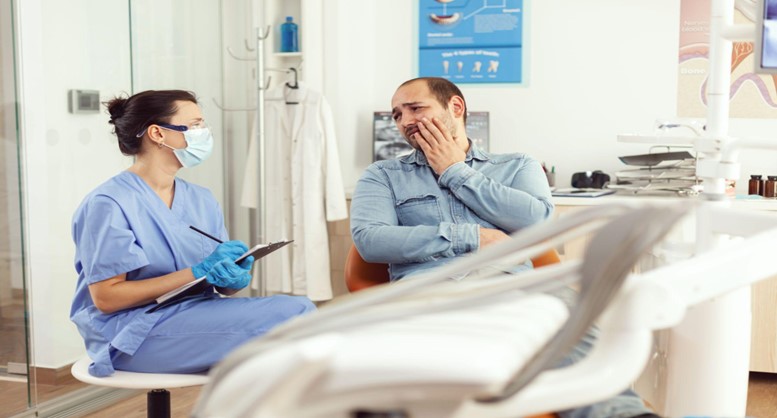
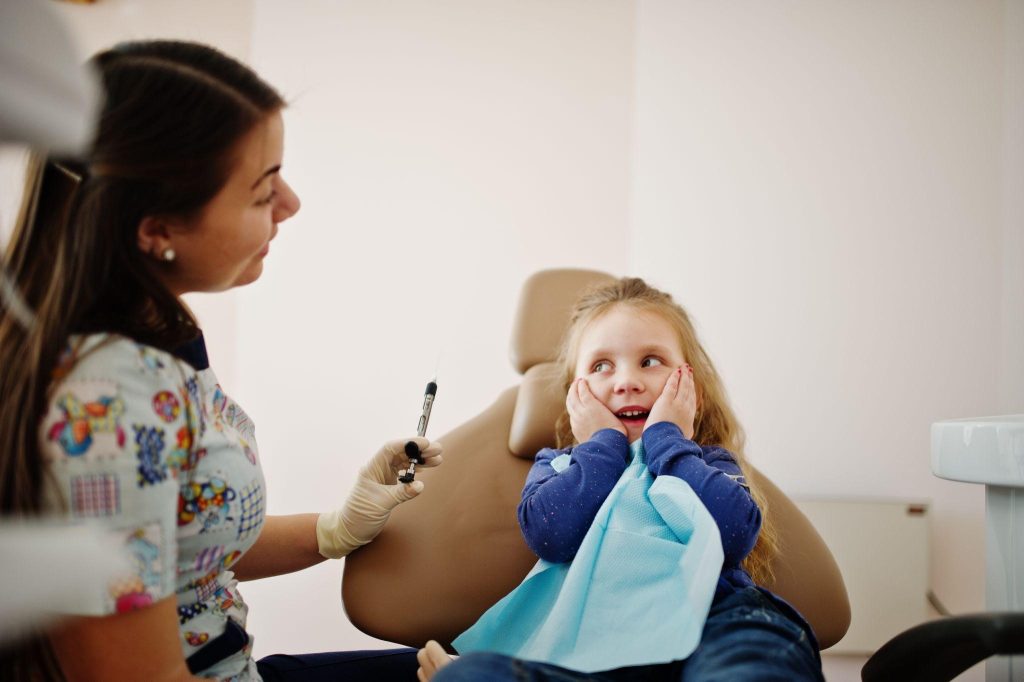
One of the best things you can do is use simple, positive language. Avoid words like “pain,” “hurt,” or “needle,” even if you are trying to reassure your child. Kids often focus on the scary words more than the comforting message.
Instead, describe the dentist as someone who helps keep teeth clean, strong, and healthy. You might say, “The dentist will count your teeth and make sure your smile is healthy.” That keeps the experience easy to understand and less intimidating.
Play dentist at home
Pretend play is a great way to make the appointment feel familiar. You can count your child’s teeth with a toothbrush, let them count yours, or use a toy and role-play a dental check-up. This makes the process feel more like a game and less like a medical event.
Reading a children’s book or watching a short video about a dental visit can also help. When kids know what to expect, they usually feel more in control and less anxious.
Choose the right time for the appointment
Timing can make a big difference. Try to book the visit when your child is usually well rested and not hungry. Morning appointments often work well because children are fresher, calmer, and more cooperative early in the day.
Avoid scheduling the visit during a busy, stressful day. If your child is tired, hungry, or rushed, they may be more likely to feel overwhelmed. A calm routine helps create a much better first experience.
Bring comfort items
A familiar toy, blanket, or stuffed animal can make the visit easier. Comfort items help children feel secure in a new environment and can be especially useful if they are shy or nervous.
You do not need to make a big production out of it. Just keep their favourite comfort item nearby and let it act as a source of reassurance throughout the visit.
Stay calm yourself
Children often pick up on their parents’ emotions. If you sound nervous, they may assume there is something to worry about. Try to remain relaxed and upbeat, even if you personally dislike dental visits.
It also helps not to use the dentist as a reward or punishment. Statements like “If you don’t brush, the dentist will fix your teeth” can visit feel threatening instead of supportive.
Explain what will happen
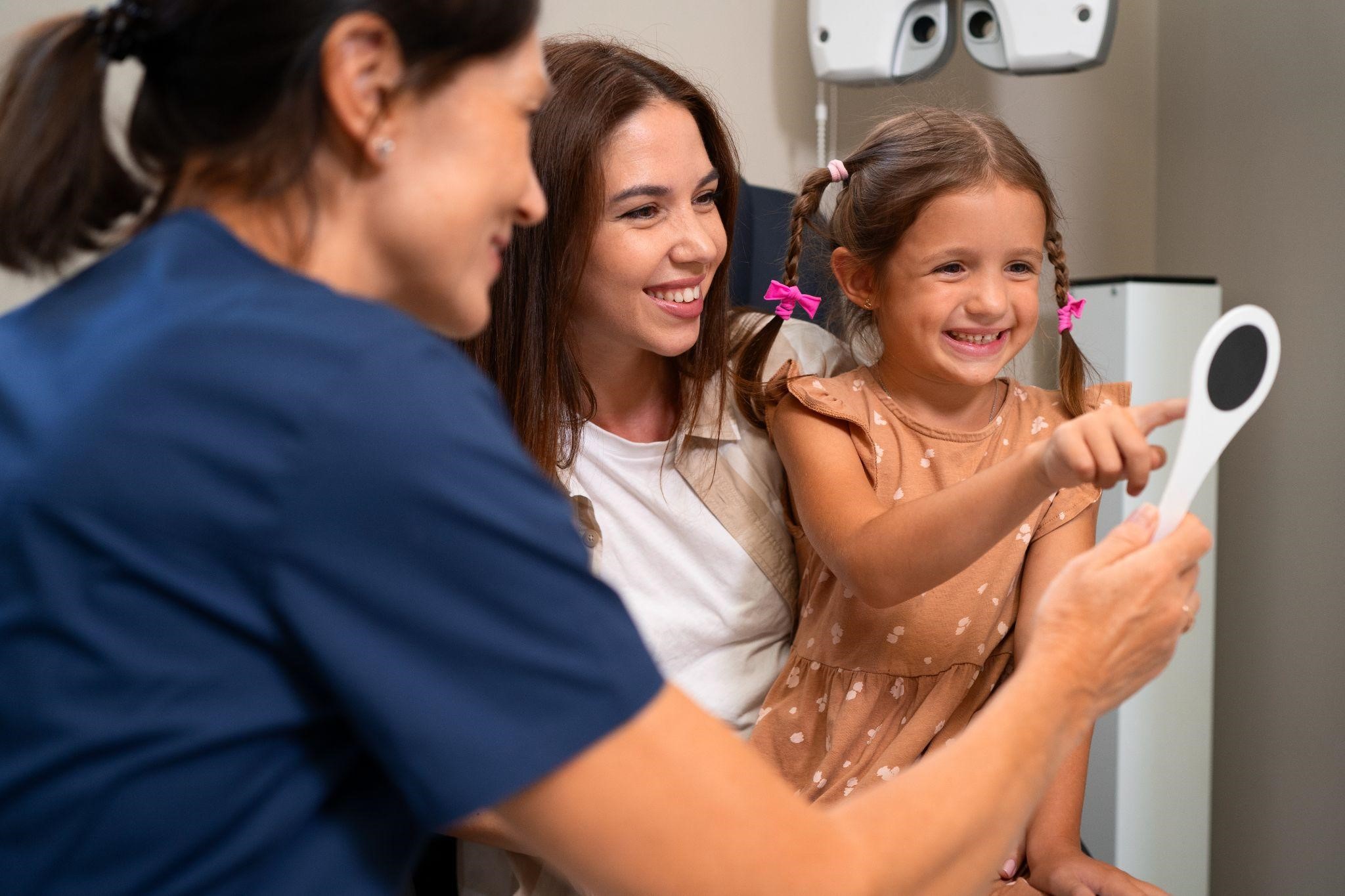
Give your child a simple idea of the visit without too much detail. You can explain that the dentist will look at their teeth, count them, and help keep them strong. For older children, you can also mention the bright light, mirror, and special cleaning tools they may see.
Keeping the explanation short and clear is usually best. Too much information can create unnecessary worry.
What the dentist may check
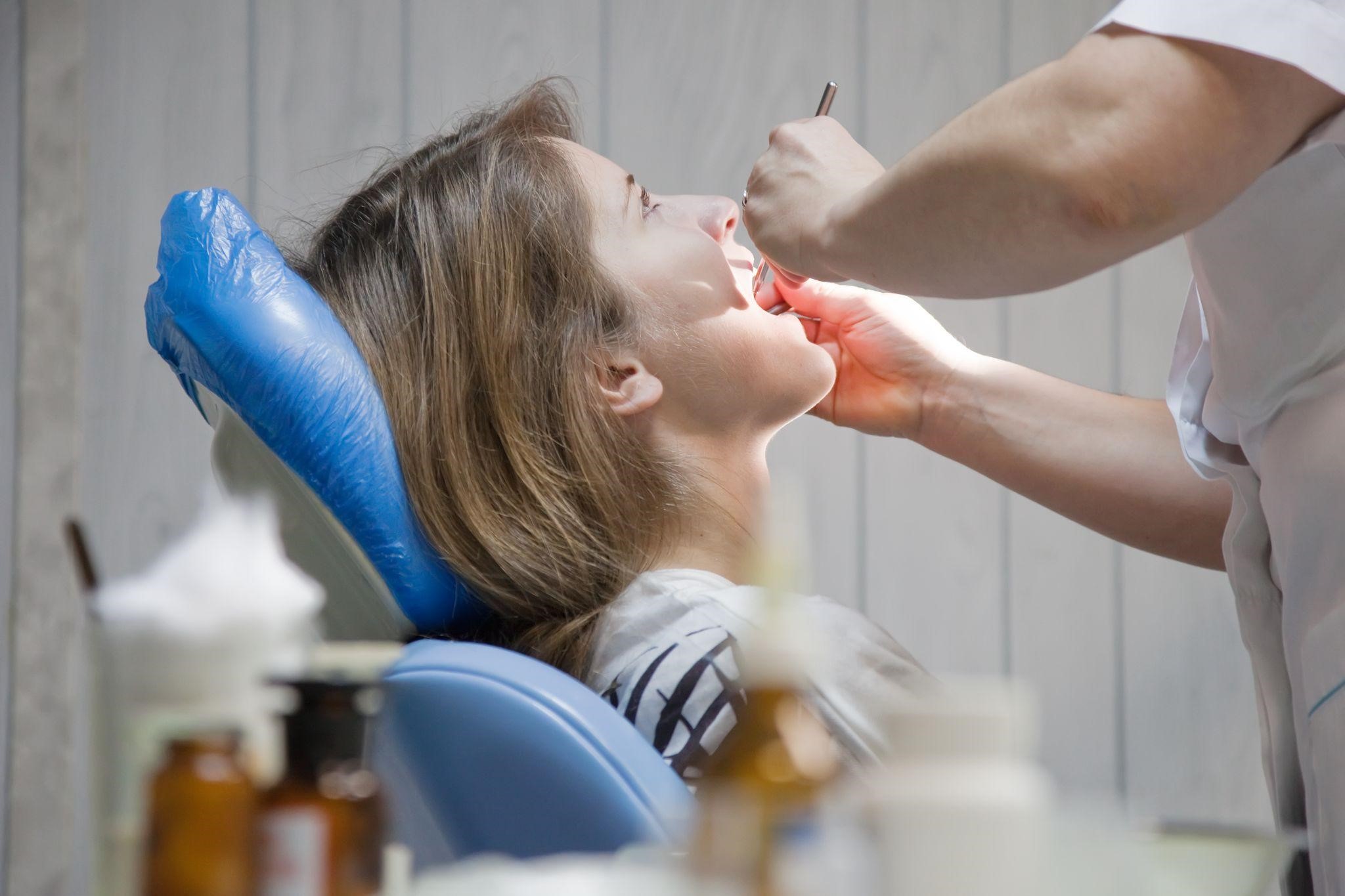
During a first visit, the dentist will usually look at tooth development, gums, bite, and oral hygiene habits. They may also discuss diet, fluoride, cleaning routines, and any concerns you have noticed at home.
This early check-up is part of children’s dentistry in Melbourne to support healthy teeth and gums and helps build a strong foundation for future oral health. If a child ever has an accident or severe pain later, the family will already know where to go for help, including emergency dentistry for kids with urgent dental issues in Melbourne.
Keep the visit short and positive
The first appointment is often quick. That is a good thing. The main goal is to make your child comfortable, build trust, and finish on a positive note. If the visit feels easy, your child is more likely to cooperate in the future.
Praise your child afterwards for being brave, but keep the praise natural and simple. The visit should feel like a normal part of taking care of their health.
Final thoughts
Preparing your child for their first dental visit does not need to be complicated. A positive attitude, simple explanations, a calm appointment time, and a comfort item can make a big difference. The earlier children become familiar with dental care, the easier it is to build healthy habits for life.
At Prodental Melbourne, we support families in Melbourne with gentle care that helps children feel safe and confident at the dentist. Good early experiences with children’s dentistry can reduce fear, encourage regular check-ups, and support healthy smiles as your child grows.
FAQs
- When should my child have their first dental visit?
Most experts recommend booking the first visit by the first birthday or within six months of the first tooth appearing.
- How can I calm my child before the appointment?
Use positive language, read a children’s dental book, play pretend dentist at home, and bring a comfort item like a toy or blanket.
- What should I avoid saying to my child?
Avoid words like “hurt,” “needle,” or anything that sounds scary. Keep the explanation simple and reassuring.
- What happens during the first dental visit?
The dentist usually checks the teeth, gums, bite, and oral hygiene habits, and may advise about brushing, diet, and fluoride.
- Why is early childhood dentistry important?
Early visits help children get used to dental care, reduce fear, and support healthy oral habits from a young age.