The field of restorative and diagnostic dentistry has seen significant technological progression in recent years. One of the most prominent advancements is the transition toward digital workflows. For many patients, traditional dental impressions involving silicone or alginate “putty” trays can be physically uncomfortable or trigger a gag reflex.
The introduction of intraoral scanning technology offers a clinical alternative that prioritises precision and patient comfort. At Australian Family Dental, digital tools are utilised to enhance diagnostic accuracy and streamline the creation of dental prosthetics. By using optical scanning, clinicians can generate high-resolution 3D models of the dentition and surrounding soft tissues in real time.
What Is Digital Dentistry?
Digital dentistry refers to the integration of computer-based components into dental procedures to replace certain mechanical or manual steps. This technological shift is not merely about modern equipment; it is about improving the predictability of clinical outcomes.
Common applications of digital dentistry include:
- Intraoral Scanners: Handheld devices used to capture optical impressions.
- Digital Radiography: Low-radiation imaging for bone and root assessment.
- Cone Beam Computed Tomography (CBCT): 3D imaging for complex oral surgery and implant planning.
- CAD/CAM Technology: Computer-Aided Design and Manufacturing for “same-day” or high-precision restorations.
- 3D Printing: The fabrication of surgical guides, splints, and physical models.
The Australian Dental Association (ADA) continues to monitor the role of AI and digital integration in professional development, noting that these tools are becoming standard in modern Australian clinical practice.
The Mechanics of an Intraoral Scan
An intraoral scan is a non-invasive digital method for recording the topography of the mouth. During the process, a small, wand-like scanner is moved around the oral cavity. It projects a light source onto the teeth and gums, capturing thousands of data points per second.
Clinical applications for these scans include:
- Fabricating crowns, bridges, and onlays.
- Planning clear aligner therapy and orthodontic intervention.
- Designing occlusal splints and protective mouthguards.
- Pre-surgical planning for dental implants.
- Monitoring tooth wear (attrition) and gingival recession over multiple years.
Patients may learn how digital scans support more accurate planning for crowns, aligners and restorative treatment by reviewing the technical precision required for laboratory-grade restorations.
Limitations and Considerations
While intraoral scanning is a powerful diagnostic tool, it is not a universal replacement for all traditional methods. Clinical literature suggests that in certain full-arch restorations or cases involving deep subgingival margins (areas below the gum line), traditional impressions may still be indicated.
Factors such as excess saliva, blood, or highly reflective metallic restorations can occasionally interfere with the scanner’s optical sensors. Therefore, the choice between digital and traditional methods is a clinical decision made by the dentist based on the specific requirements of the case.
The Educational Aspect of Digital Tools
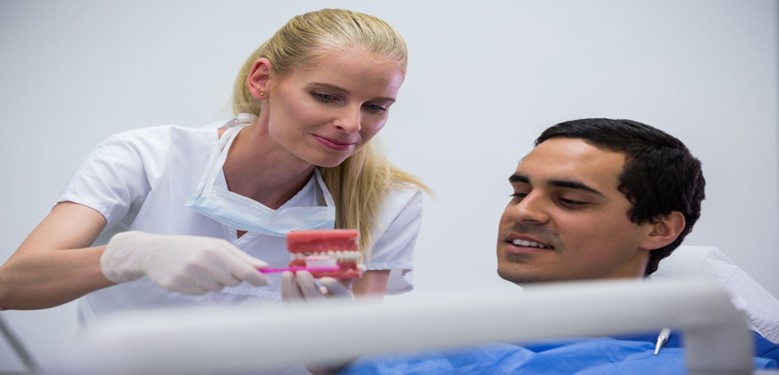
One significant advantage of digital dentistry is its role in patient education. Because the 3D model appears on a chairside monitor, the clinician can visually demonstrate areas of concern, such as:
- Fractured cusps or enamel wear.
- Plaque accumulation zones.
- Malocclusion (bite alignment issues).
This visual aid helps patients discover how digital visual tools can improve their understanding of treatment options without relying solely on abstract verbal descriptions.
AHPRA Compliance and Quality Care
It is important to remember that technology is an adjunct to, not a replacement for, clinical expertise. A digital scan is a recording tool; the success of any dental treatment still relies on an accurate diagnosis, sound treatment planning, and the skill of the treating dentist.
At Australian Family Dental, we prioritise evidence-based technology that delivers tangible benefits to the clinical process. Whether we are utilising 3D scans for a simple mouthguard or a complex restorative plan, our focus remains on the functional longevity of your oral health.