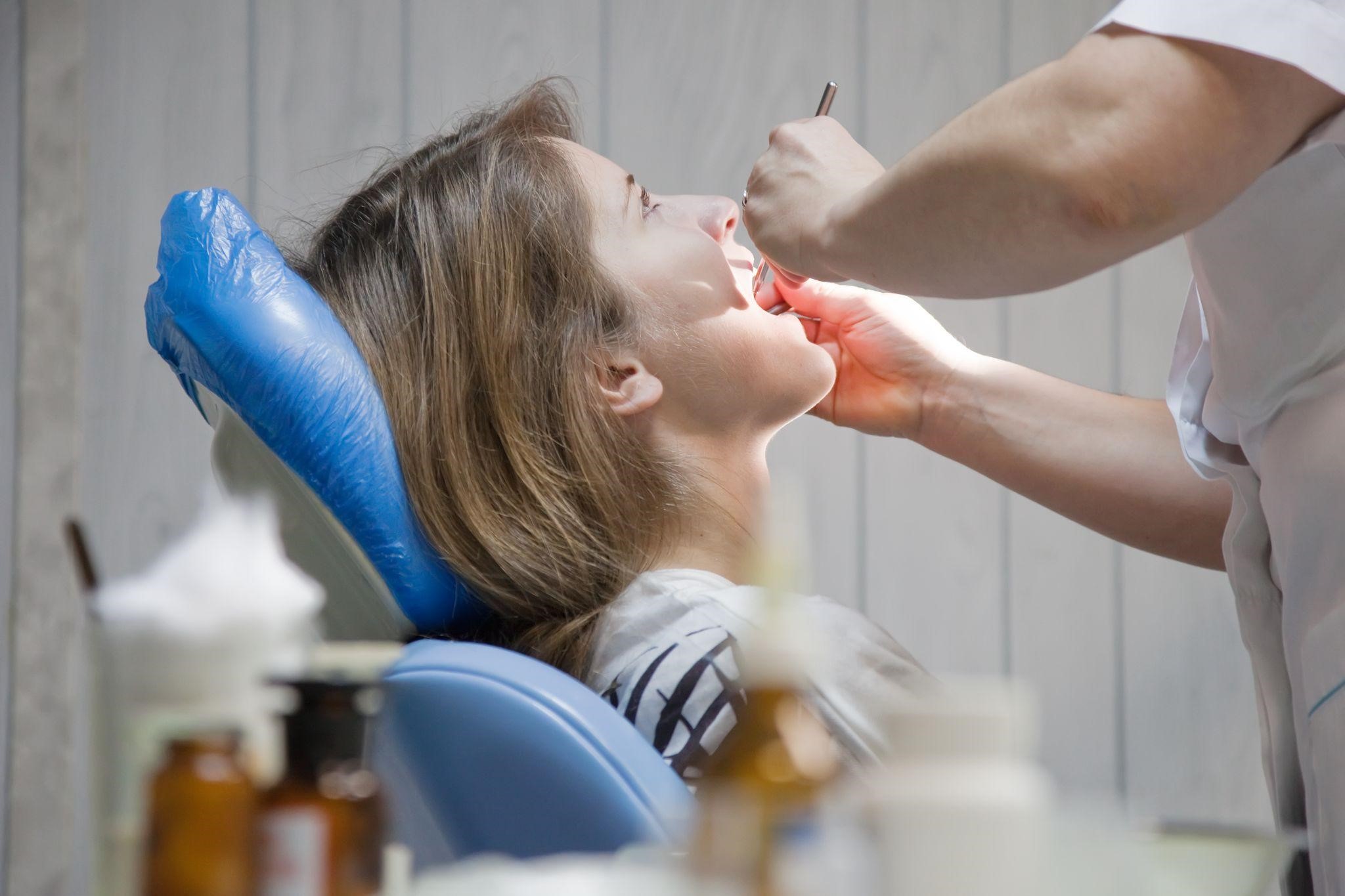
Stress is a normal part of modern life, but when it becomes frequent or overwhelming, it can affect both physical and dental health. Many people don’t realise the strong connection between stress and oral health, yet emotional stress can lead to a range of dental problems if left unmanaged.
From teeth grinding during sleep to gum inflammation and mouth ulcers, several stress-related dental problems can develop without people noticing at first. Stress can also influence daily habits, making it easier to neglect proper oral care.
Understanding the relationship between oral health and mental health is important for protecting your smile. With good habits and professional dental care, many stress-related dental issues can be prevented or treated effectively.

The Link Between Stress and Oral Health
Stress triggers several physical reactions in the body. While these responses are meant to help us cope with challenges, they can also affect oral health in unexpected ways.
When stress becomes ongoing, the body may respond in ways that increase the risk of dental problems.
Muscle tension
Stress often causes people to clench their jaw muscles without realising it. Over time, this tension can lead to teeth grinding, jaw discomfort, and headaches.
Immune system changes
Chronic stress can weaken the immune system, making it harder for the body to fight infections. This can increase the risk of stress and gum disease, as the body becomes less effective at controlling harmful bacteria in the mouth.
Poor daily habits
When people feel overwhelmed, they may neglect daily routines like brushing, flossing, or attending dental check-ups. These habits can significantly affect stress and oral health over time.

Common Dental Problems Caused by Stress
Several dental issues can develop or worsen when stress levels are high. Recognising these problems early can help prevent long-term damage.
Teeth Grinding (Bruxism)
One of the most common dental problems related to stress is teeth grinding, also known as bruxism.
Many people grind or clench their teeth unconsciously during sleep. Over time, this can lead to:
- Worn or damaged teeth
- Jaw pain or stiffness
- Frequent headaches
- Tooth sensitivity
Dentists often recommend bruxism treatment, such as wearing a custom night guard, to protect teeth from further damage.
Gum Disease
There is a strong connection between stress and gum disease.
When the immune system is weakened by stress, the body becomes less effective at fighting bacteria in the gums. This can increase the risk of gum inflammation and infection.
Early signs of gum disease may include:
- Red or swollen gums
- Bleeding during brushing or flossing
- Persistent bad breath
Without proper treatment, gum disease can progress and affect the supporting structures of the teeth.

Jaw Pain and TMJ Disorders
Stress can cause people to clench their jaw muscles, which may lead to temporomandibular joint (TMJ) problems.
Symptoms may include:
- Jaw pain or tightness
- Clicking or popping sounds when opening the mouth
- Difficulty chewing
- Headaches near the temples
Managing stress and addressing jaw clenching early can help reduce these symptoms.
Mouth Sores and Ulcers
Emotional stress can sometimes trigger mouth ulcers or canker sores. These small, painful sores may appear inside the cheeks, lips, or tongue.
Although they usually heal within one to two weeks, frequent ulcers may indicate that stress is affecting overall health.
Dry Mouth
Stress and anxiety can reduce saliva production, leading to dry mouth.
Saliva plays an important role in protecting teeth by washing away bacteria and neutralising acids. When saliva levels drop, the risk of tooth decay and bad breath increases.
How Stress Can Lead to Poor Oral Hygiene
Stress doesn’t only affect the body physically, it can also influence daily behaviours that are important for maintaining good oral health.
Some common habits linked to stress include:
- Skipping brushing or flossing due to fatigue or busy schedules
- Consuming more sugary snacks or drinks for comfort
- Smoking or increased alcohol consumption
- Forgetting regular dental appointments
Over time, these habits can contribute to plaque build-up, tooth decay, and gum disease. This is why maintaining consistent oral care routines is important, even during stressful periods.
Patients who want to maintain healthy habits can learn more about preventive dental care through professional guidance and regular check-ups.
Warning Signs Your Oral Health Is Affected by Stress
Sometimes stress-related dental problems develop gradually. Being aware of early warning signs can help prevent more serious complications.
Common symptoms include:
- Frequent headaches
- Tooth sensitivity
- Jaw pain or tightness
- Bleeding or inflamed gums
- Worn or flattened teeth
- Clicking or stiffness in the jaw
If these symptoms continue, it may indicate that stress is affecting both your physical wellbeing and oral health.
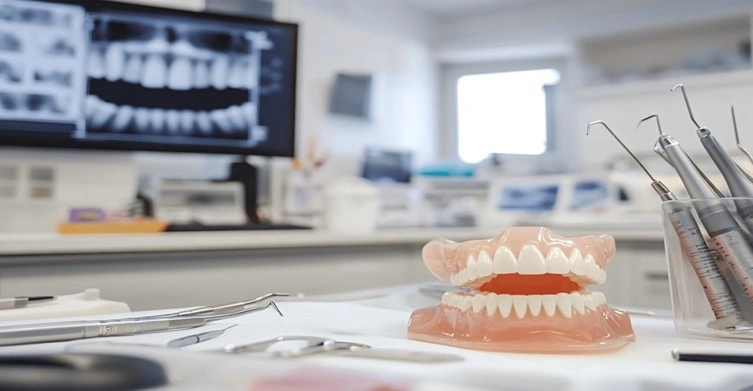
Tips to Protect Your Oral Health During Stress
Managing stress effectively can help protect both your general health and your smile. Simple daily habits can reduce the risk of stress-related dental problems.
Here are some helpful tips:
- Maintain a consistent brushing and flossing routine
- Use a custom night guard if you grind your teeth
- Drink plenty of water to prevent dry mouth
- Limit sugary snacks and acidic drinks
- Practise stress-management techniques such as exercise, meditation, or deep breathing
- Maintain regular dental visits to monitor oral health
If you experience teeth grinding from stress, a dentist may recommend professional bruxism treatment to prevent further damage.
When to See a Dentist
Occasional stress is normal, but persistent symptoms affecting your teeth or gums should not be ignored.
You should seek professional dental care if you experience:
- Ongoing jaw pain or headaches
- Tooth sensitivity or enamel wear
- Signs of gum infection
- Frequent teeth grinding during sleep
A dental professional can identify the underlying cause and recommend appropriate treatment options.
At Australian Family Dental, experienced dentists help patients understand the connection between stress and oral health while providing personalised care. If you notice stress-related symptoms, it is a good idea to schedule a dental check-up so the issue can be diagnosed early.
Final Thoughts
Stress can influence many aspects of health, including the condition of your teeth and gums. Problems such as teeth grinding, gum disease, jaw tension, and mouth ulcers are all possible effects of prolonged stress.
Understanding the link between oral health and mental health can help individuals recognise early symptoms and take proactive steps to protect their smile.
By maintaining healthy daily habits, managing stress effectively, and attending regular dental appointments, many stress-related dental issues can be prevented.
If you are experiencing symptoms linked to stress and oral health, consider visiting Australian Family Dental for professional guidance and care that supports both your dental health and overall wellbeing.